10 Powerful Shows Like The Handmaid's Tale
If you're captivated by The Handmaid's Tale's dystopian horror and themes of female resilience, these series offer similarly gripping explorations of oppression, resistance, and survival. From Margaret Atwood adaptations to alternate histories and feminist dystopias, these shows will satisfy your craving for complex narratives about power, control, and the human spirit.
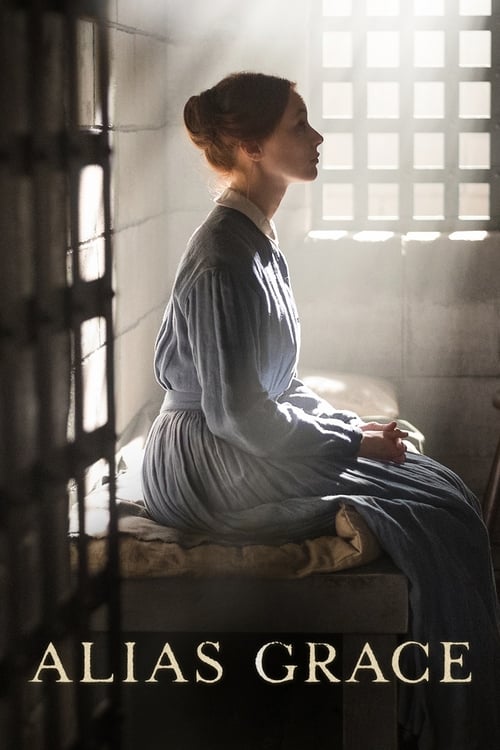
Alias Grace
NetflixAvailable in most regions
Based on Margaret Atwood's novel, this miniseries delves into the life of Grace Marks, a 19th-century Irish immigrant convicted of murder. Like The Handmaid's Tale, it explores women's limited agency in patriarchal systems through stunning visuals and psychological depth. Sarah Gadon's mesmerizing performance as Grace mirrors Elisabeth Moss's June, both women navigating treacherous social landscapes where their testimonies are constantly doubted. The period setting reveals how historical oppression informs Gilead's gender politics.
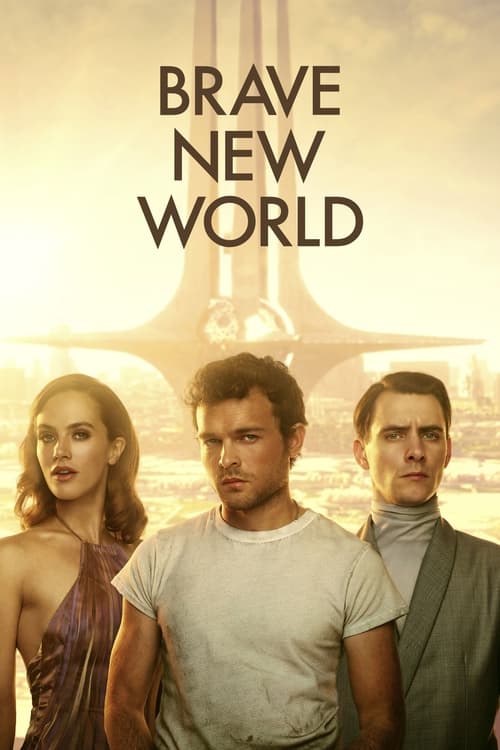
Brave New World
PeacockAvailable in select regions
Set in a futuristic society that achieves stability through the abolition of privacy, family, and monogamy. While seemingly opposite to Gilead's reproductive tyranny, this dystopia similarly controls bodies and relationships through technology rather than religion. The series' visual splendor contrasts with its dark themes, much like The Handmaid's Tale's beautiful cinematography underscoring horror. Alden Ehrenreich's John the Savage provides an outsider perspective similar to June's initial resistance to Gilead's norms.

The Man in the High Castle
Amazon PrimeAvailable in most regions
This alternate history imagines a world where the Axis powers won WWII, dividing America between Nazi Germany and Imperial Japan. The resistance movement parallels Mayday, with ordinary people risking everything against impossible odds. Alexa Davalos's Juliana Crain undergoes a transformation similar to June's, from naive observer to determined rebel. The show's meticulous world-building creates a believable fascist America that feels as fully realized as Gilead, exploring how quickly freedoms can disappear.

Silo
Apple TV+Available worldwide
In a massive underground silo, residents believe the outside world is toxic. Rebecca Ferguson's Juliette uncovers dark truths about their confinement, mirroring June's awakening to Gilead's lies. The silo's strict hierarchy and information control reflect Gilead's propaganda machine. Ferguson brings the same intense vulnerability and strength as Elisabeth Moss, both women becoming reluctant leaders against oppressive systems. The show's claustrophobic atmosphere creates tension comparable to The Handmaid's Tale's surveillance state.
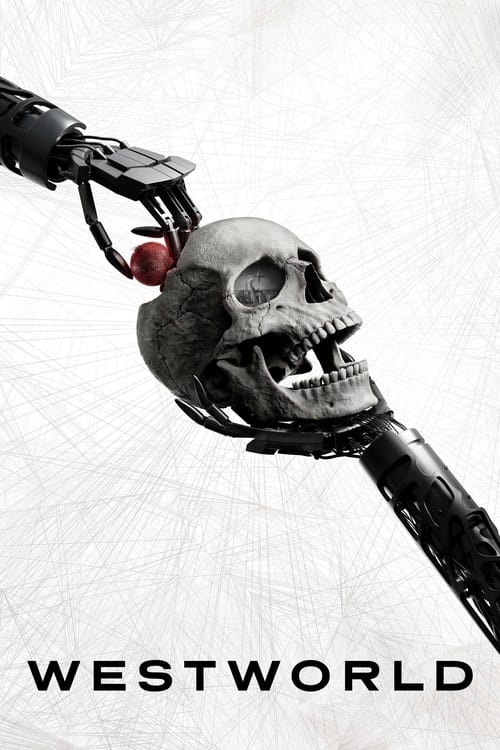
Westworld
HBO MaxAvailable in select regions
Androids gain consciousness and rebel against their human creators in this sci-fi epic. The hosts' awakening to their oppression mirrors the handmaids' growing awareness. Evan Rachel Wood's Dolores evolves from docile to revolutionary much like June's arc. The show's exploration of free will versus programming parallels The Handmaid's Tale's themes of indoctrination and resistance. Both series use nonlinear storytelling to reveal how trauma shapes identity and rebellion.
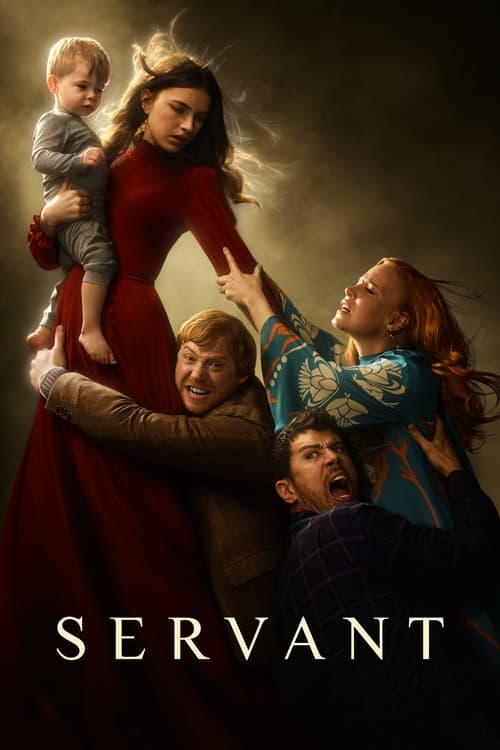
Servant
Apple TV+Available worldwide
This psychological horror follows a couple who hire a nanny after their infant's death. Lauren Ambrose's Dorothy and Nell Tiger Free's Leanne engage in a power struggle echoing Serena Joy and June's toxic dynamic. The show's exploration of grief, motherhood, and control intersects with The Handmaid's Tale's themes. M. Night Shyamalan's direction creates unbearable tension comparable to Gilead's constant threat of violence, with domestic spaces becoming battlegrounds.
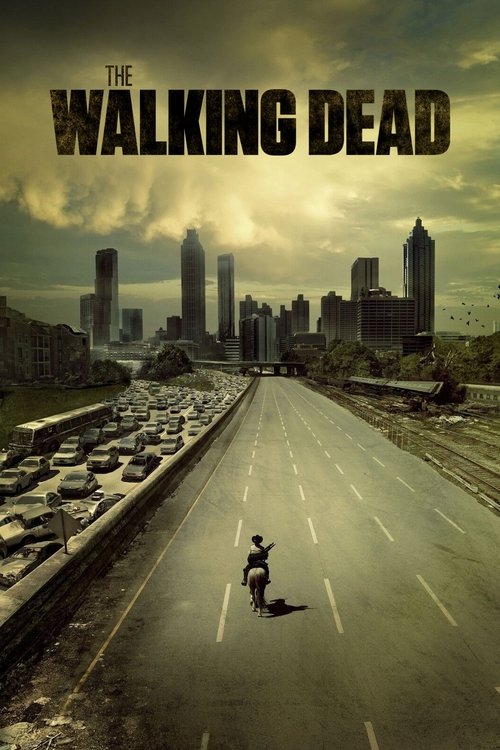
The Walking Dead
AMC/NetflixAvailable in most regions
In a zombie apocalypse, survivors face threats from both the undead and human factions. The Governor and Negan's regimes demonstrate how quickly authoritarian structures emerge in crises, similar to Gilead's rise. Melissa McBride's Carol transforms from abused wife to hardened survivor, paralleling June's journey. The show's examination of morality under extreme pressure resonates with The Handmaid's Tale's ethical dilemmas, asking what lines we'll cross to protect those we love.

The Plot Against America
HBO MaxAvailable in select regions
This alternate history follows a Jewish family as Charles Lindbergh's presidency leads America toward fascism. The slow erosion of democracy mirrors Gilead's coup, showing how ordinary people rationalize escalating horrors. Zoe Kazan's performance as a mother protecting her family under growing antisemitism echoes June's maternal ferocity. Based on Philip Roth's novel, the miniseries shares The Handmaid's Tale's literary roots and political urgency, serving as a warning about complacency.

Creamerie
HuluAvailable in select regions
Set in a world where a virus wiped out most men, this dark comedy follows women running a dairy farm until a male survivor appears. The show's satirical take on gender roles inverts The Handmaid's Tale's premise while exploring similar themes of reproductive control and power. Its humor makes the dystopian elements more palatable without diminishing their impact, offering a unique perspective on how societies reorganize after catastrophe. The New Zealand setting provides fresh cultural context to familiar dystopian tropes.

Yellowjackets
ShowtimeAvailable in select regions
A soccer team's plane crash leads to savage survival in the wilderness. The nonlinear narrative reveals how trauma shapes the women decades later, much like The Handmaid's Tale's exploration of PTSD. Melanie Lynskey's adult Shauna and Sophie Nélisse's teen version showcase the same character depth as June across timelines. The show's examination of female relationships under extreme pressure—both supportive and toxic—parallels the complex bonds between Gilead's women. Its blend of psychological drama and horror creates similar unease.
Key Themes in These Dystopian Dramas
Female Resilience
Like June Osborne, protagonists in these shows demonstrate extraordinary strength against oppression. From Alias Grace's psychological endurance to Silo's Juliette engineering rebellion, these characters redefine power in systems designed to break them.
Reproductive Control
The Handmaid's Tale's central theme appears across these series. Brave New World eliminates biological reproduction entirely, while Creamerie explores a world where reproduction becomes the ultimate power after male extinction.
Resistance Movements
From The Man in the High Castle's underground to Westworld's host rebellion, these shows depict how oppressed groups organize against authoritarian regimes, often at tremendous personal cost.
Moral Complexity
Like The Handmaid's Tale's nuanced characters, these shows avoid simple heroes and villains. Servant's grieving parents, Yellowjackets' descent into savagery, and The Walking Dead's survival ethics all explore how extreme circumstances reveal human complexity.